
Case Study / Zhengqi Canteen Small Store
A 66 sqm store can still handle peak hours without a head chef
Zhengqi Canteen shows how a compact foodservice store can reduce chef dependency, handle 400-600 daily diners, and keep dish replenishment moving through process-based automation.
Case Summary
No knife team, no head chef, but the store still needs stable output
The case turns a small-store constraint into a process question: how to keep peak-hour replenishment, ingredient cost and labor cost under control without relying on a large chef team.
Experienced owner
The owner understands traditional restaurant cost pressure deeply.
Small footprint
The store cannot solve problems by simply adding more people or space.
Three-machine setup
Machines break complex dishes into repeatable actions.
Supply chain shift
The store can use a lighter ingredient preparation model.
Labor and cost savings
The value appears in staffing, purchasing and daily operation.
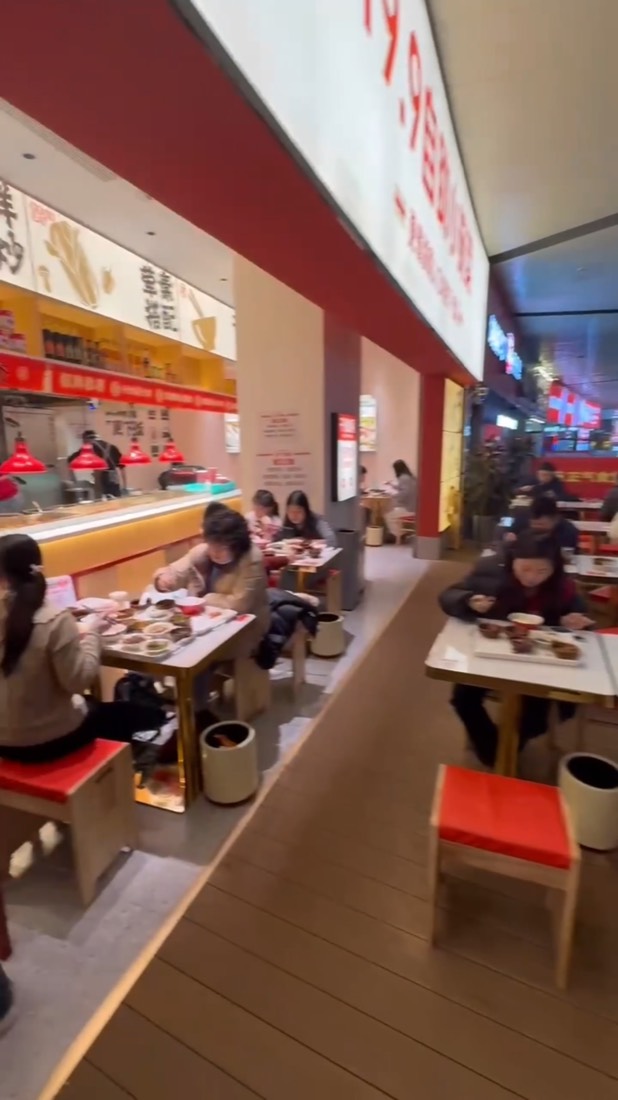
Small store, big peak
The hardest moment for a small store is peak service
A 66 sqm store has limited room for people, equipment and mistakes. Automation helps turn peak service into a repeatable production rhythm.
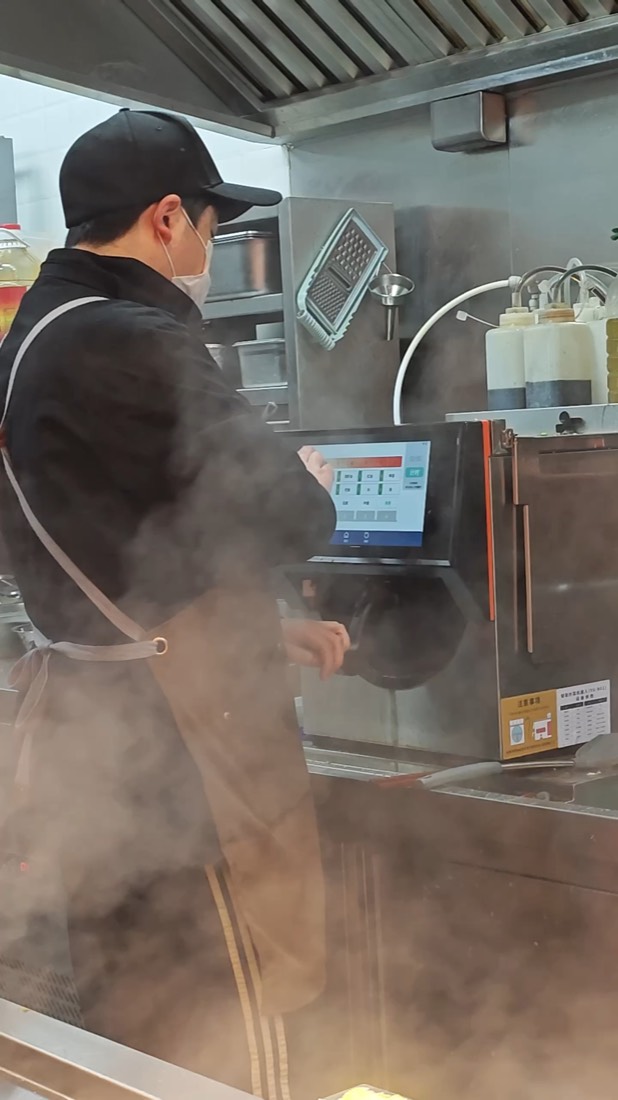
Recipe-based operation
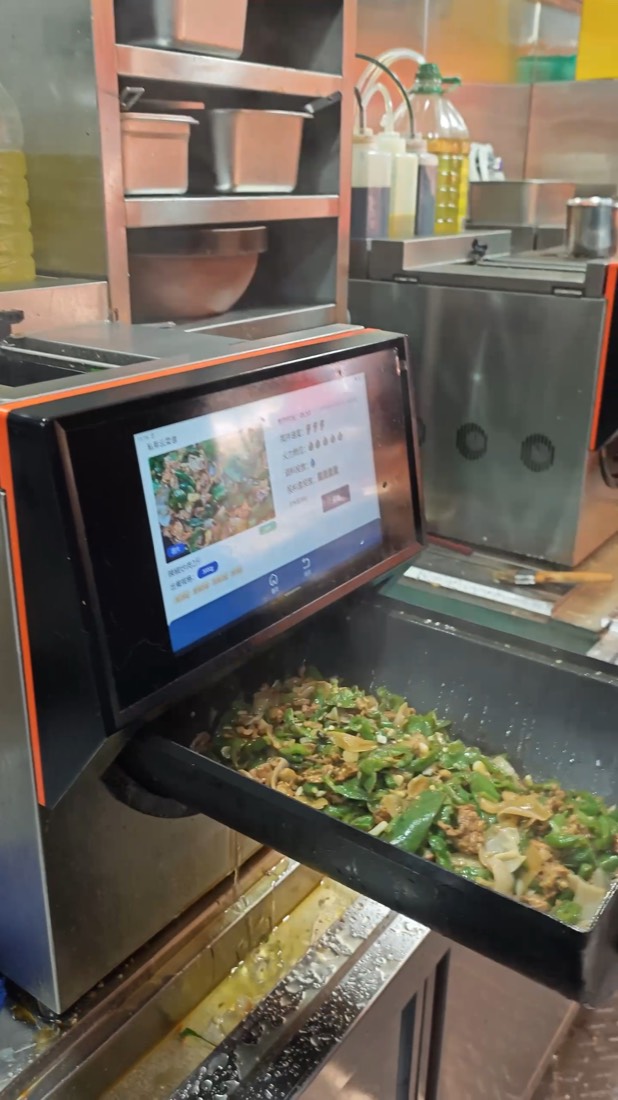
The screen and workflow reduce dependence on chef feel.
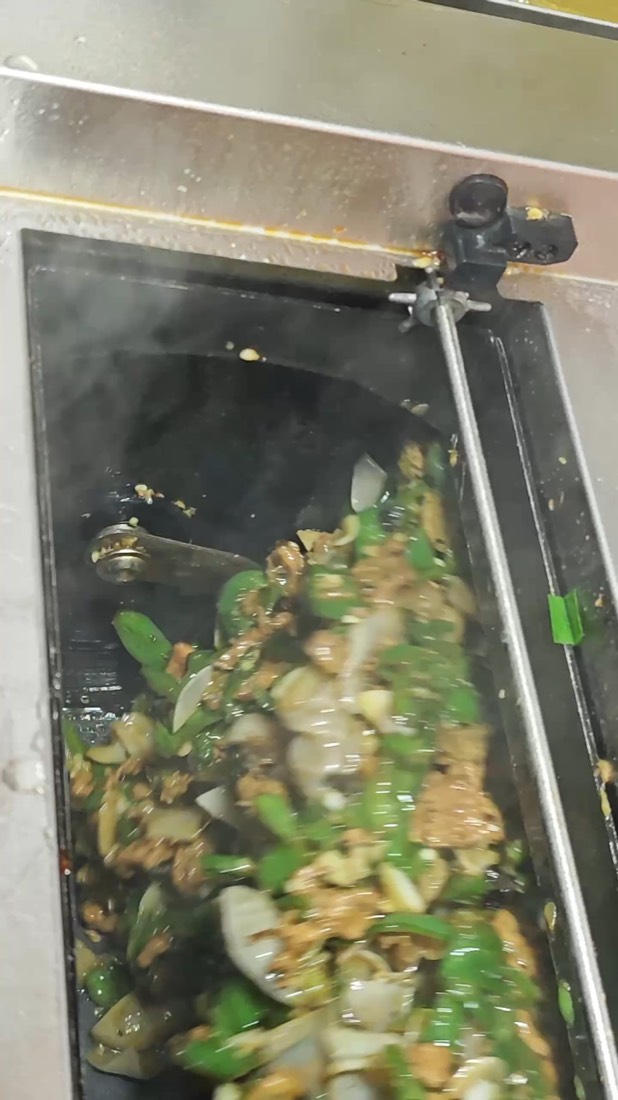
Standard stir-fry output
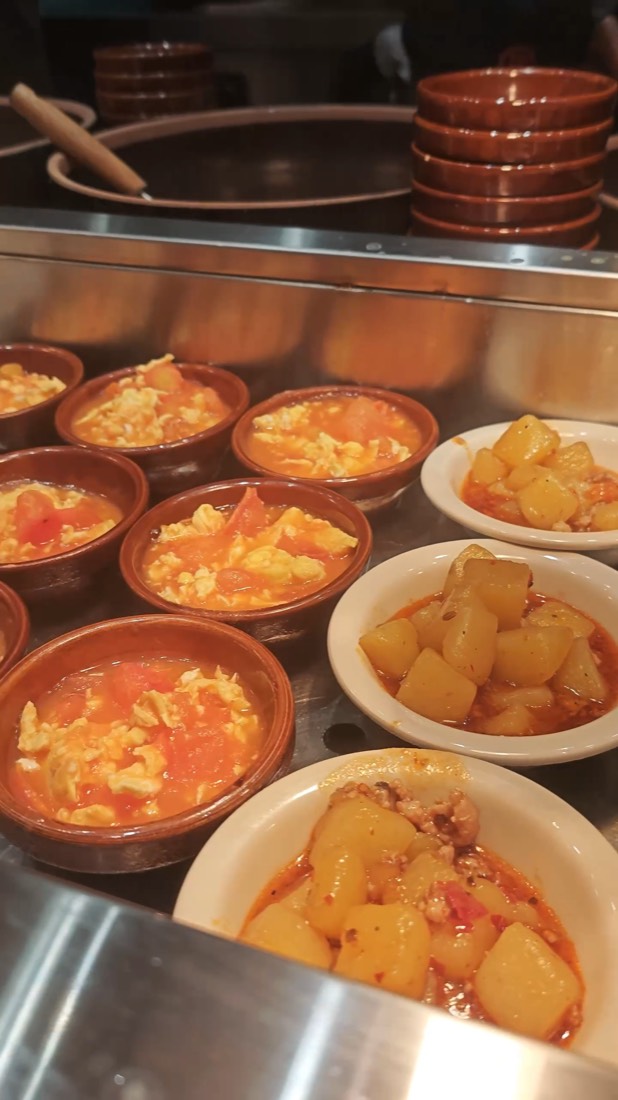
The store can keep small-bowl dishes replenished during peak periods.
On-Site Gallery
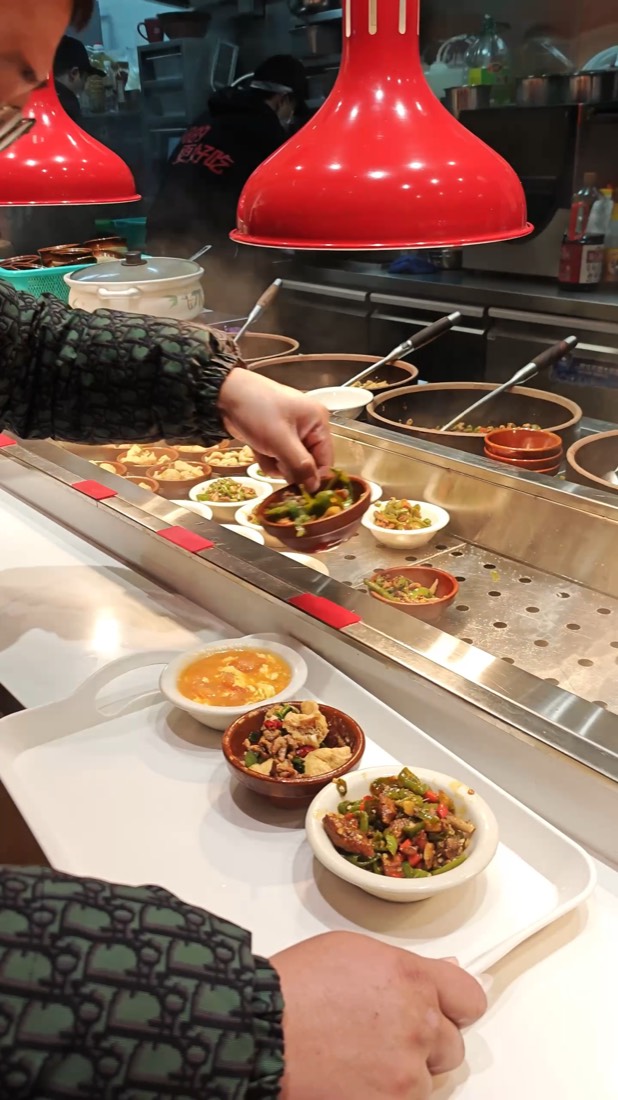
From output to pickup, the workflow is visible
The case keeps real output, dish display and customer pickup scenes visible for operators comparing small-store models.
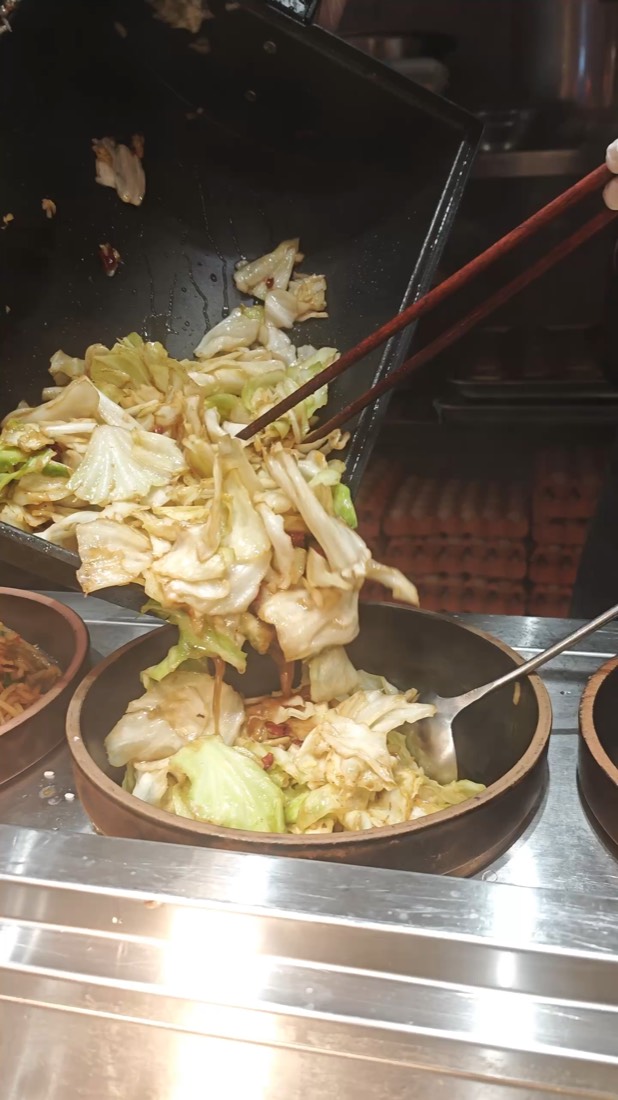
YAO MASTER Small Store Case Study
Upgrade from finding chefs to running processes
For compact foodservice stores, automation makes cost reduction practical only when the workflow is simple enough for everyday staff to run.