
Case Study / Zhongcheng Canteen Chain
40 chain stores, repeatable and stable output
For a multi-store canteen operator, the challenge is not only serving one busy meal period. It is making the same kitchen model easier to copy across stores.
Case Summary
When stores are busy and labor is tight, chain kitchens need repeatable capacity
Zhongcheng used smart cooking equipment to reduce dependence on individual chef experience and connect kitchen production with serving counters more clearly.
40 stores
The operating model needs to be copied, not rebuilt store by store.
Labor pressure
Chef availability and skill variation create output uncertainty.
Two-machine workflow
Core cooking actions are handled through machine-supported process control.
Kitchen to counter
Production, dish output and serving handoff become easier to organize.
Lower cost, stable customers
The model supports steadier taste and clearer store economics.
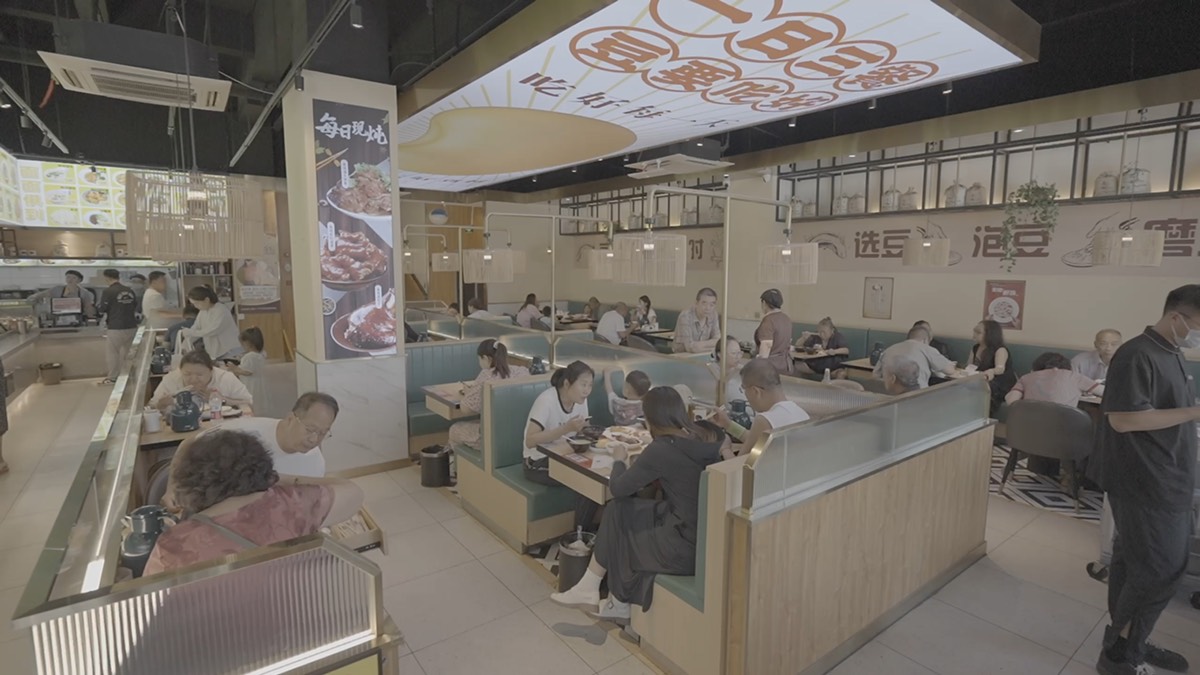
Peak service
The problem is not demand, but stable production capacity
During busy dining periods, a chain canteen needs continuous hot-dish output that does not collapse when one skilled chef is absent.
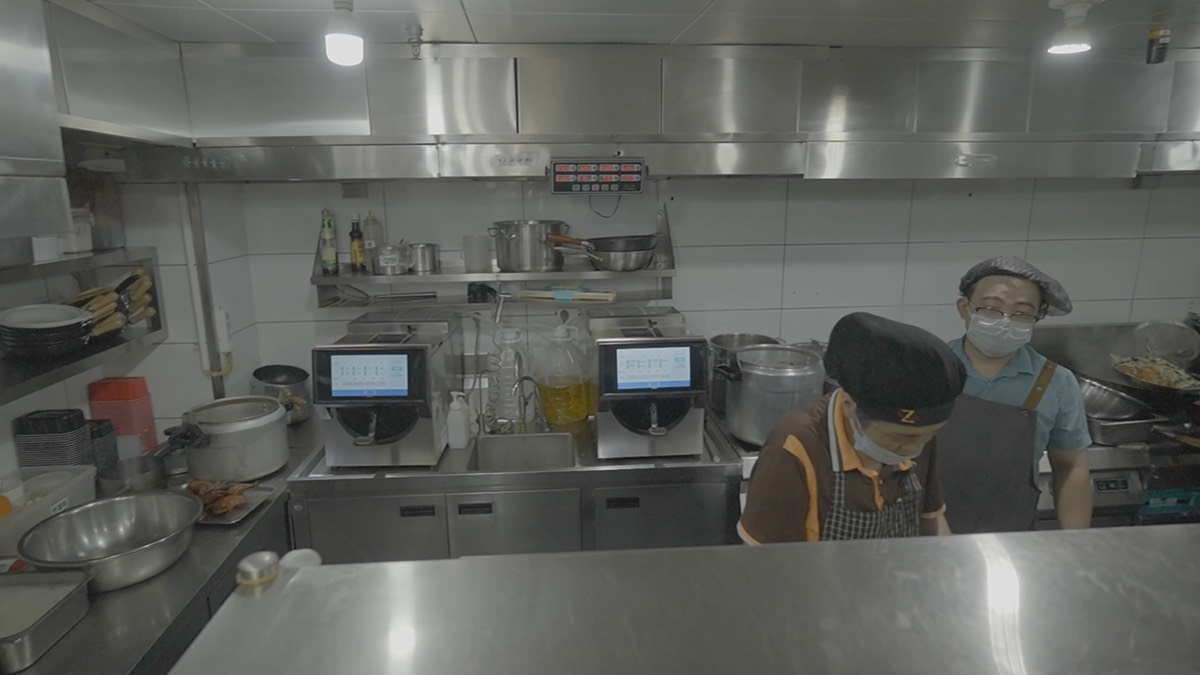
Machines enter the kitchen
Two machines take over key cooking steps and make training easier.
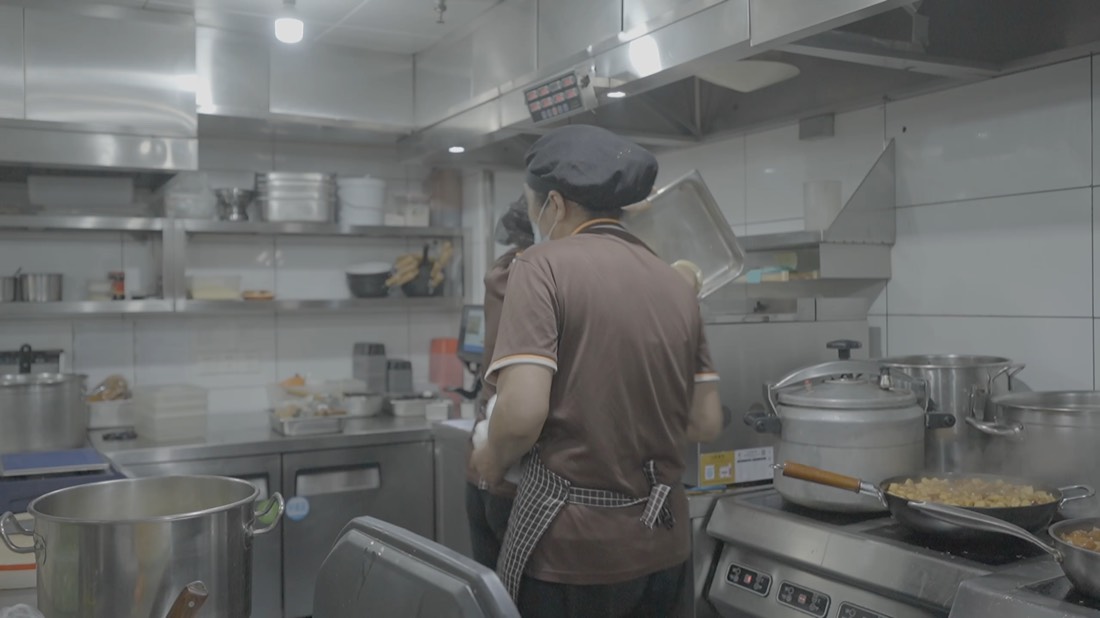
Followable process
Operators can follow recipes and loading steps instead of relying on chef intuition.
On-Site Gallery
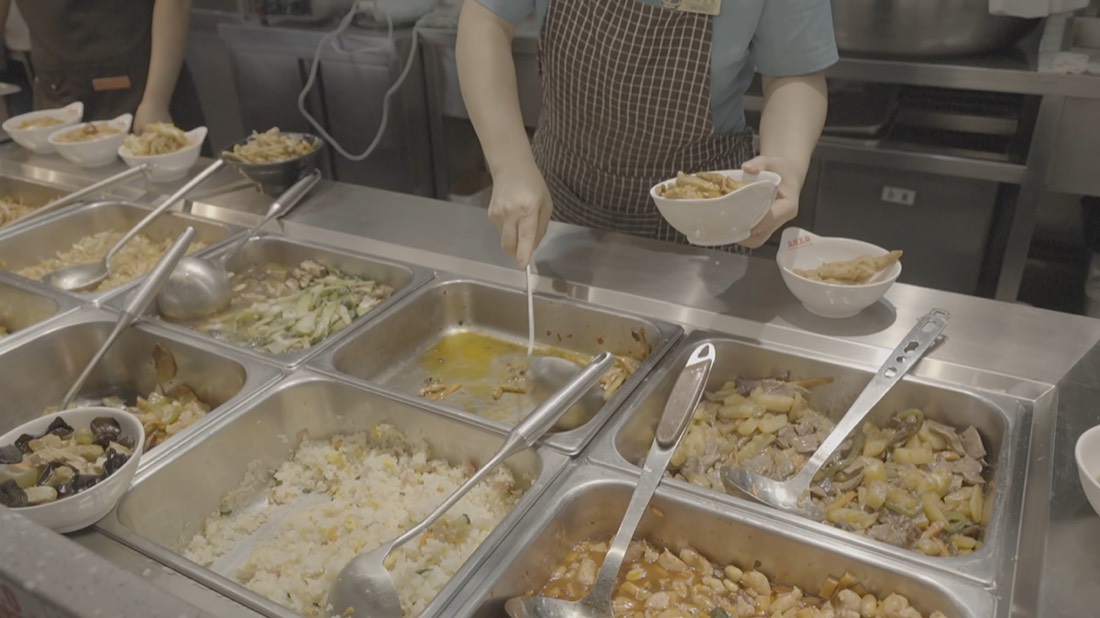
From full dining area to stable dish output
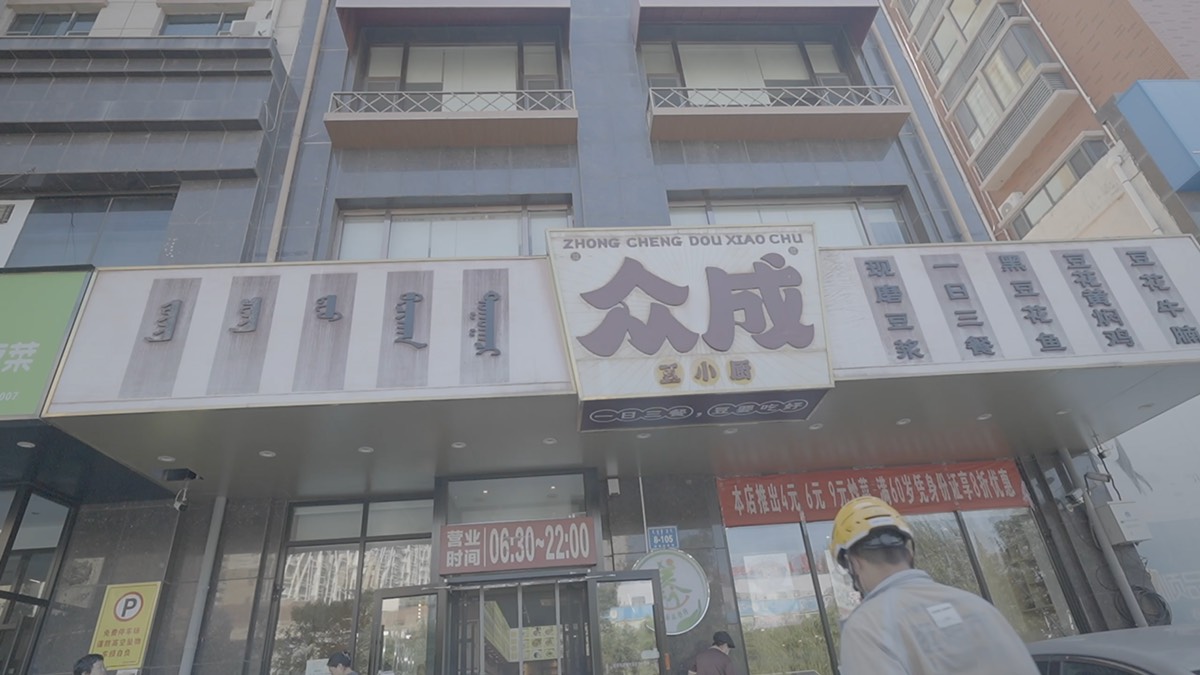
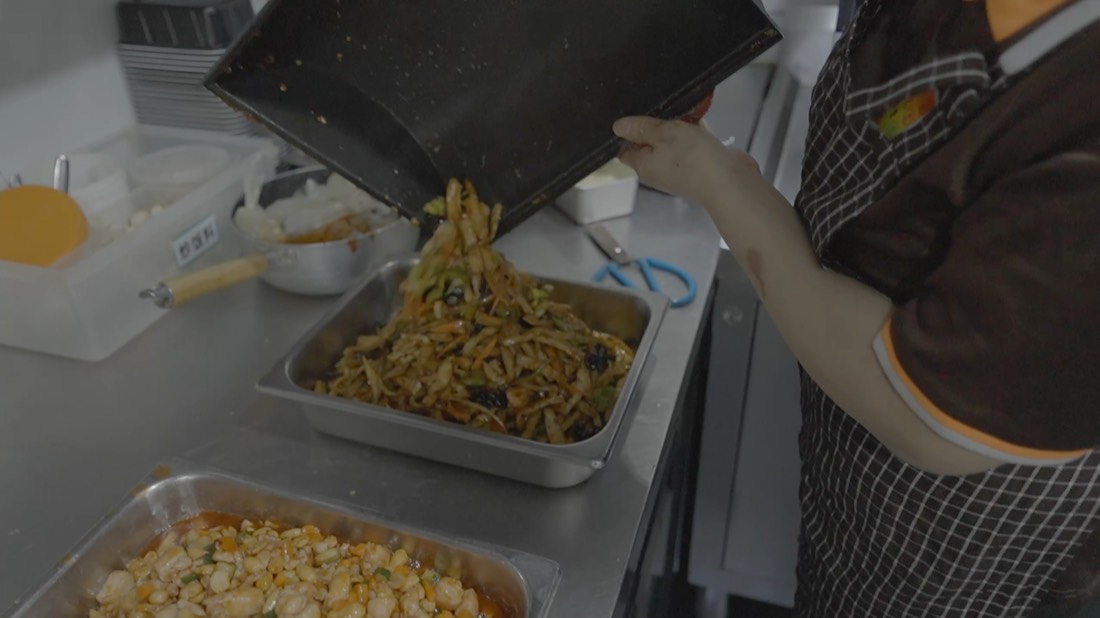
The case materials show store front, dining pressure, dish display and output handoff.
YAO MASTER Chain Canteen Case Study
Upgrade from chef-dependent kitchens to process-driven stores
For chain operators, the real value is not one machine in one store, but a kitchen workflow that can be repeated.